The Past, Present & Future of Cooperatives
This is the first episode of our new series' Social and Solidarity Economy'. The Social and Solidarity Economy explores the world of cooperatives, collectives, platform workers, unions, and other democratic enterprises that are rooted in collaboration, equity and shared prosperity.
Cooperatives are often dismissed as small, old-fashioned, or inefficient, but what if some of the world’s biggest and most resilient businesses weren’t driven by shareholders—but by members? In our first episode, Balu Iyer, the Regional Director for Asia–Pacific at the International Cooperative Alliance breaks down the cooperative model: where it came from, how it works, and why over a billion people around the world are part of it. Drawing on Indian examples such as Amul, IFFCO, SEWA, and ULCCS, the conversation explores how cooperatives combine professionalism with participation, values with viability, and democracy with business—offering a powerful alternative to extractive economic models and unfair work places.
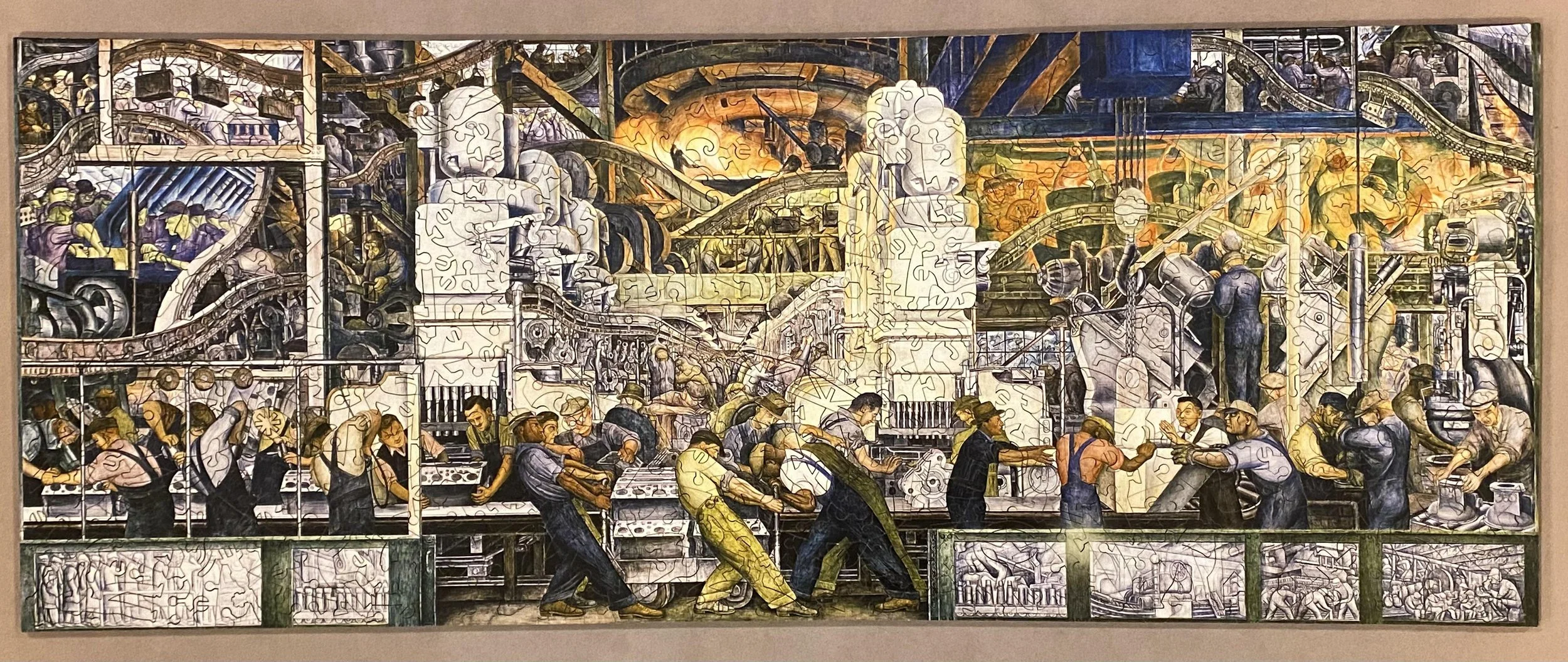
Image Credit: North wall (detail), Diego Rivera, Detroit Industry murals, 1932-33,
About Balu Iyer
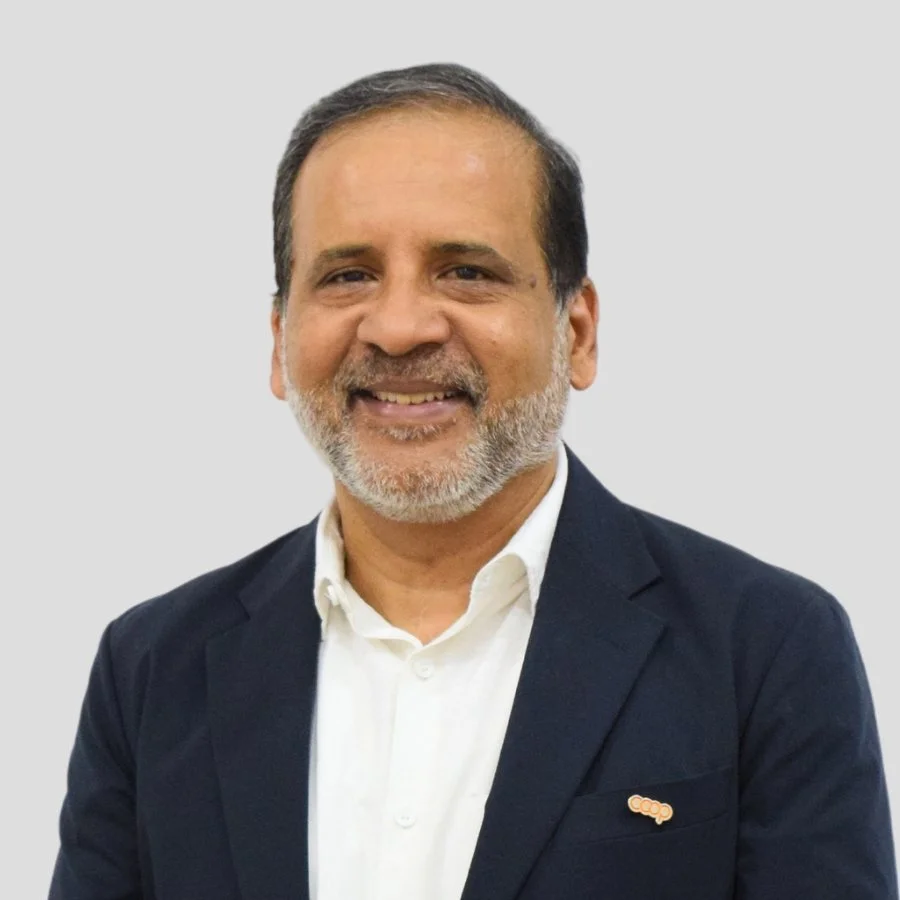
Pic: Balu Iyer
Mr. Balasubramanian (Balu) Iyer serves as the Asia Pacific Regional Director of the International Cooperative Alliance (ICA).
Mr. Balu Iyer has over 30 years of experience in managing international development operations, overseeing multiple country offices, and building new offices from the ground up. He worked in India in cooperative development before moving abroad to work on Asian regional concerns for overseas agencies in Afghanistan, Bangladesh, India, Korea, Mongolia, Nepal, Pakistan, the Philippines, and Sri Lanka. Previously, he worked with the Aga Khan Rural Support Program, ActionAid India, International Development Exchange and the Asia Foundation. He holds a Master's degree in Public Policy from the Goldman School of Public Policy at U.C. Berkeley, U.S.A., a Post Graduate Diploma in Rural Management from the Institute of Rural Management at Anand, India, and a Bachelor’s degree in Civil Engineering from the National Institute of Technology at Durgapur, India.
Resources
Rochedale Principles, Wikipedia
Cooperative Identity, Values & Principles, International Cooperative Alliance
Exploring the Cooperative Economy 2025, World Cooperative Monitor
Tribhuvan Sahkari University Bill, 2025, PRS India
National Cooperative Policy, Ministry of Cooperation